

Removal of harmful gases
Seawater and seabed sediment within offshore monopile foundations contain sulfate-reducing bacteria, which produce H₂S under anaerobic conditions and at suitable temperatures. The high-voltage ring main unit installed at the base of the fan tower uses SF₆ for arc quenching, posing a risk of sulfur hexafluoride leakage.
Category:
Product details
I. Operating Environment
Operating temperature range: -30°C to +55°C;
Storage temperature range: -40°C to +65°C;
Operating humidity: Average humidity 70%, maximum humidity ≤95%;
Operating medium: Air and sulfur hexafluoride (SF6) gas
Operating environment: Inside a land-based enclosure
II. Product Principle
Seawater and seabed sediment within offshore monopile foundations contain sulfate-reducing bacteria, which produce H₂S under anaerobic conditions and at suitable temperatures. The high-voltage ring main unit installed at the base of the fan tower uses SF₆ for arc quenching, posing a risk of sulfur hexafluoride leakage.
1. This hazardous gas removal system effectively removes SF₆ (sulfur hexafluoride) and H₂S (hydrogen sulfide) gases from the enclosed space; ensuring the safety of maintenance personnel working inside the tower.
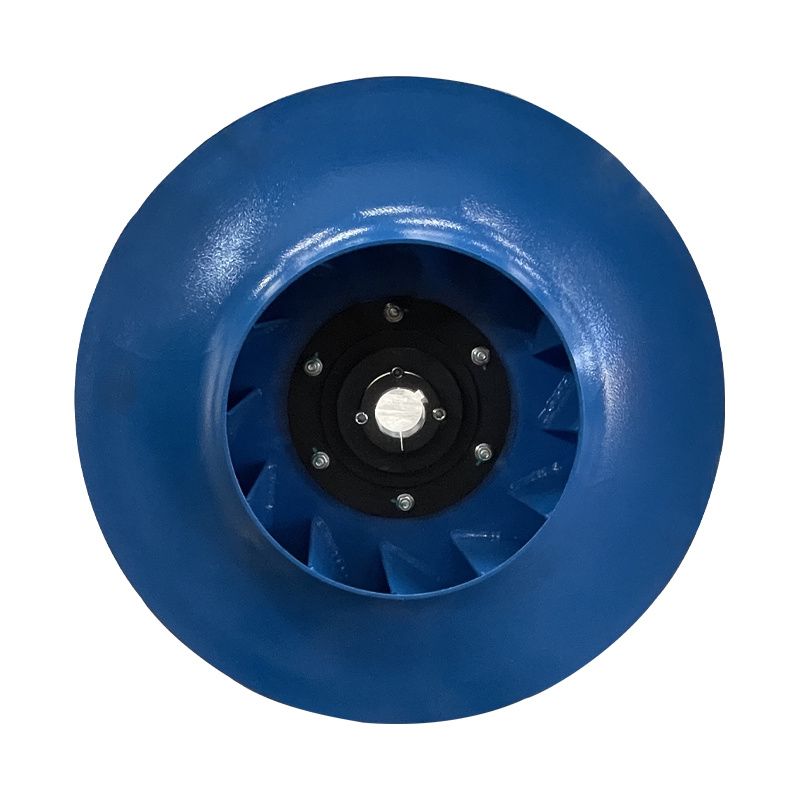
2. The unit utilizes the negative pressure effect generated by a high-speed rotating impeller to draw air and SF6 gas into the fan. A flexible hose connects the air inlet to a steel pipe extending beneath the platform inside the foundation. When the fan is operating, harmful gases on the foundation platform are drawn into the fan and expelled with the airflow.
III. Performance Specifications
|
Airflow |
720m3/h |
|
Static pressure |
700Pa |
|
Corrosion resistance class |
C4-H |
|
Rated power |
≤0.75kW |
Keywords
Air air heat exchanger series | Air water backpack series | Ventilation system | Non standard customized series


— Provide customers with a full range of customized system solutions
Contact Us
Address: East side of No. 7 Huanpu International Industrial Park, No. 835 Hanjiang West Road, Xinbei District, Changzhou City, Jiangsu Province
Tel:+86 0519-85522317
Fax:+86 0519-85529317
E-mail:sales@winder.hk
Mobile Website

Copyright © 2023 Winder Precision Machinery (Changzhou) Co., Ltd.